Dental Crowns Los Angeles CA: Expert Advice for Patients
A dental crown is one of the most common restorative treatments in modern dentistry, but patients often arrive with mixed expectations. Some assume a crown is a simple cosmetic cap. Others worry it means the tooth is almost lost. The truth sits somewhere in between. A well-made crown can protect a weakened tooth for many years, restore comfortable biting, and improve appearance in a way that feels natural. It is not a trivial procedure, though, and the decisions around material, timing, cost, and dentist selection matter, especially in a city as broad and varied as Los Angeles.
Patients searching for Dental Crowns Los Angeles CA are often comparing far more than office locations. They are weighing convenience against quality, insurance coverage against long-term value, and aesthetics against durability. That is a smart instinct. Crowns are not one-size-fits-all, and in real practice, the best outcome usually comes from matching the crown to the person, not just the tooth.
What a crown actually does
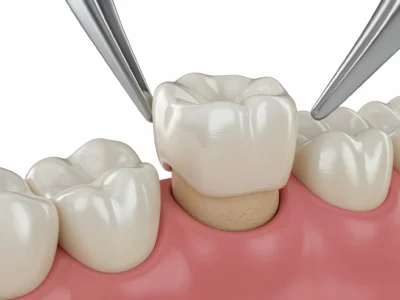
A crown covers the visible portion of a tooth above the gumline. Dentists recommend crowns when a tooth has lost too much structure to hold up well with a filling alone. That can happen after a large cavity, a root canal, a fracture, heavy wear from grinding, or the replacement of an old restoration that has failed.
The key point is structural support. A filling repairs a portion of a tooth. A crown reinforces the whole top of it. Think of a cracked coffee mug with a hairline running down the side. A bit of glue may help for a while, but if you keep pouring hot liquid into it and gripping the handle, the crack tends to spread. Teeth behave in a similar way under chewing forces. Molars, in particular, take a lot of stress. If a tooth has become brittle or undermined, a crown can keep it functioning.
That does not mean every damaged tooth needs one. Good dentists are conservative when they can be. If a tooth can be predictably restored with a bonded filling or inlay, that may be the better choice. Crowns remove more tooth structure than smaller restorations, so the indication needs to be solid.
Why patients in Los Angeles ask different questions
Los Angeles shapes dental decisions in practical ways. There are more specialists, more cosmetic expectations, more price variation, and more scheduling pressure than in many smaller markets. Someone working in Century City may want a treatment plan that minimizes missed meetings. A working actor may care deeply about translucency and color match on a front tooth. A parent in the Valley may be trying to fit treatment into a PPO plan before annual maximums reset. A patient in a nightlife-heavy part of town may grind heavily and need a stronger material with a night guard.
That variety is why broad, generic advice often falls short. In one office, a crown recommendation may be driven by a genuine fracture line that will almost certainly worsen. In another, the same term may be used a bit too casually for a tooth that could have been treated more conservatively. Context matters.
When a crown makes sense, and when it may not
One of the most useful questions a patient can ask is not “Do I need a crown?” but “Why does this tooth need a crown instead of another option?” The answer should be specific. You should hear details such as the amount of remaining tooth structure, whether there is a cusp at risk of breaking, whether the tooth has had root canal treatment, or whether a previous restoration has repeatedly failed.
A crown often makes sense when a tooth has a large existing filling that has weakened the surrounding enamel. It also makes sense after root canal treatment on a back tooth, because those teeth can become more prone to fracture over time. If there is a crack that extends through a chewing cusp, wrapping the tooth with a crown can reduce the chance of that crack opening further under pressure.
There are also situations where a crown may be premature. A small cavity, even on a visible tooth, does not automatically justify full coverage. Neither does every chipped tooth. Some front teeth can be beautifully managed with bonding or veneers, depending on the issue. Some back teeth can be restored with onlays, which preserve more healthy structure while still strengthening the tooth.
Patients do best when they understand the trade-off. Crowns are strong, but they are also irreversible. Once a tooth is prepared for a crown, it will always need some form of full or partial coverage after that restoration wears out.
The materials patients hear about most
Material choice can feel confusing because the names sound technical and the differences are often oversimplified. In actual practice, the right material depends on where the tooth is located, how hard you bite, whether you grind, what kind of appearance you want, and how much space there is between the teeth.
Porcelain or ceramic crowns are popular because they look natural. Modern ceramics can mimic enamel remarkably well, especially on front teeth and premolars. They are often an excellent fit for visible areas where shade, translucency, and shape matter.
Zirconia crowns have become common because they are very strong. For heavy grinders or patients with limited clearance on back teeth, zirconia can be a smart option. Earlier versions sometimes looked opaque, but esthetic zirconia has improved. Even so, the most lifelike front-tooth result still often depends on the specific ceramic used and the skill of the lab.
Porcelain-fused-to-metal crowns were once standard. They are still used in some cases, but less often than before. They can be durable, though over time some patients notice a dark line near the gum if the tissue recedes. That matters more in the smile zone than on a back molar.
Gold or high noble metal crowns remain one of dentistry’s best-kept secrets for certain back teeth. They can last extremely well, wear kindly against opposing teeth, and require less tooth reduction. Many patients reject them for cosmetic reasons, which is understandable in Los Angeles, but from a purely functional standpoint they are still respected.
A good dentist will not present one material as universally best. That is usually a sign the explanation has become more about office routine than patient-specific planning.
The crown process, from diagnosis to cementation
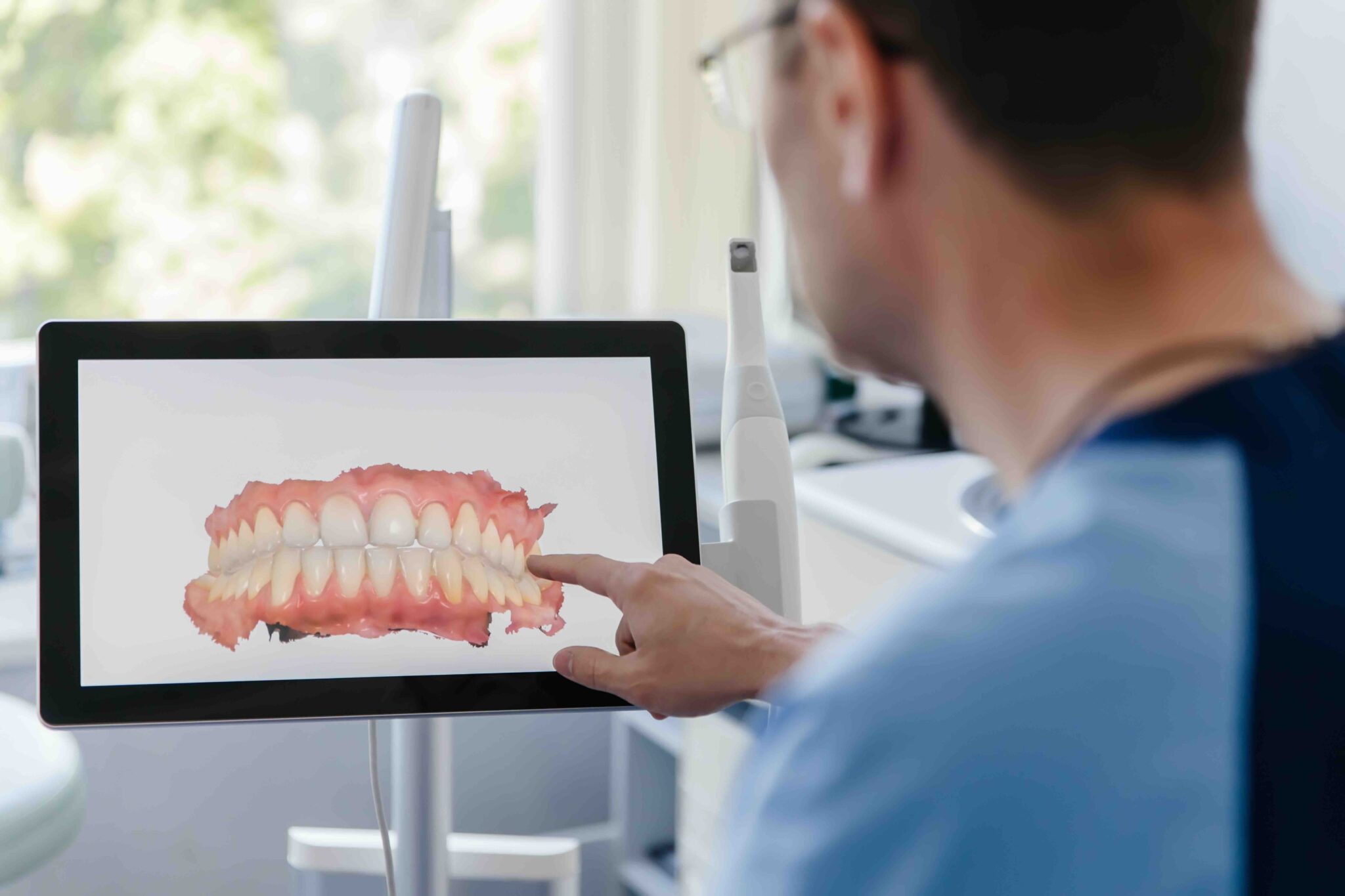
Traditional crowns are usually completed in two visits, though same-day technology is available in some offices. On the first visit, the dentist examines the tooth, takes images, removes decay or old restorative material, and shapes the tooth so the crown can fit properly. Impressions or digital scans are then taken, and a temporary crown is placed.
This temporary phase tells you more than most people realize. A temporary that feels stable, allows comfortable biting, and respects the gum tissue is often a sign of careful work. A poorly fitting temporary can leave the tooth sensitive and the gums irritated. It can also shift your bite enough to make the final crown harder to seat comfortably.
At the second visit, the final crown is tried in and checked for fit, contacts, bite, and appearance. If all looks right, it is cemented or bonded into place. Some small adjustments are common. Your bite should feel even, not high on one point. If a crown feels slightly “tall,” patients often hope they will simply get used to it. Sometimes they do not, and a simple adjustment can prevent weeks of soreness.
Same-day crowns can be very convenient, especially for busy professionals who do not want a temporary. The trade-off is that not every case is ideal for in-office milling. For some front teeth and more complex cosmetic cases, a skilled dental lab can still deliver the best esthetic nuance.
What good preparation looks like
Patients are not expected to judge crown margins or occlusal reduction, but there are signals of quality that Dental Crowns Los Angeles CA are easier to notice. The explanation should be clear, not rushed. The office should discuss what they found and why the chosen material fits your situation. Shade matching for visible teeth should not feel casual. If aesthetics matter, photos and careful communication with the lab are often part of the process.
You should also be told about any uncertainty. For example, a deeply broken tooth near the gumline may end up needing root canal treatment or crown lengthening depending on what is found after decay is removed. Honest dentistry includes those caveats up front.
One case that often surprises patients is the cracked tooth that hurts only when releasing pressure. Those teeth can be tricky. Sometimes a crown relieves symptoms beautifully. Sometimes the crack extends deeper than anyone hoped, and the tooth later needs root canal treatment or even extraction. That does not always mean the first recommendation was wrong. It means biology does not always reveal the full picture on day one.
Cost in Los Angeles, and why fees vary so much
Fees for crowns in Los Angeles can differ dramatically. Part of that is geography and overhead. An office in Santa Monica or Beverly Hills may carry a very different cost structure than one farther east or in a suburban area. Part of it is also what is included. One fee may reflect higher-end ceramics, a more experienced lab, digital scanning, careful provisional work, and more doctor time. Another may reflect a more basic workflow.
Insurance complicates the picture. Many PPO plans help with crowns when they are deemed medically necessary, but annual maximums often cover only a portion of the total fee. Waiting periods, downgraded material benefits, and frequency limitations are common. A plan may reimburse as though you received a base metal crown even if the office places all-ceramic restorations. That difference becomes your responsibility.
The cheapest crown is not automatically the best value. If a crown opens at the margin, traps food, causes bite problems, or fails early, the replacement cost is rarely small. At the same time, higher fees do not guarantee excellence. Ask what the fee includes, what material is being used, whether a specialist or lab with cosmetic expertise is involved, and how follow-up adjustments are handled.
Questions worth asking before you commit
Patients sometimes worry that asking detailed questions will offend the dentist. It should not. Thoughtful questions usually lead to better communication and better treatment.
- Why is a crown the best option for this tooth rather than a large filling, onlay, or veneer?
- What material do you recommend for my specific tooth, and why?
- Is there any risk I may still need a root canal or additional treatment afterward?
- Will you use a temporary crown, and what should I expect between visits?
- How will my bite, gum health, and color match be checked before the crown is finalized?
The quality of the answers matters as much as the answers themselves. Clear, direct explanations are a good sign.
The cosmetic side, especially for front teeth
Front-tooth crowns demand a different level of planning. Shape, length, surface texture, brightness, and translucency all affect whether the result looks natural. A crown can technically fit and still look “off” if it is too opaque, too square, too long, or slightly mismatched to the neighboring teeth.
This is where photographs, shade mapping, and communication with the lab become important. In more demanding cosmetic cases, some dentists work with ceramists who create layered restorations with subtle characterization. That can make a visible difference under daylight, camera flashes, and the varied lighting patients in Los Angeles encounter constantly.
Gum symmetry also matters. If the gum around a front crown sits higher or lower than the adjacent tooth, people tend to notice something is different even if they cannot say why. When a front tooth needs a crown after trauma or heavy decay, the best result often comes from looking at the entire smile, not just the single tooth.
If you grind or clench, the crown is only part of the solution
Bruxism changes everything. A patient who clenches through work stress or grinds at night can chip porcelain, loosen cement, crack natural teeth, and overload jaw joints. In those cases, placing a crown without addressing the underlying force pattern is incomplete care.
You may need a custom night guard after treatment. That is not an upsell in many situations, it is part of protecting the investment. I have seen beautiful crowns fracture within a year on patients who were sure they did not grind, until the wear facets and morning jaw tightness told the real story. I have also seen modest, well-planned crowns last for many years because the patient wore the guard consistently.
If your dentist mentions stress loading, wear patterns, or bite imbalance, pay attention. Those details influence prognosis more than many patients realize.
Temporary crowns deserve respect
Patients often treat the temporary as something that barely counts. That is a mistake. Temporaries protect the prepared tooth, maintain spacing, support the gums, and preview the shape of the final restoration. If a temporary comes off repeatedly, call the office. If it feels rough or traps food, mention it. Ignoring the temporary phase can create avoidable irritation or movement that complicates delivery of the final crown.
Chewing sticky candy with a temporary is one of the fastest ways to turn a routine case into an urgent visit. It sounds obvious, but offices see it all the time.
Healing, sensitivity, and what is normal afterward
Some mild soreness after preparation is common. The gums may feel tender for a few days, especially if the tooth was heavily broken down or decay extended near the gumline. Some teeth remain temperature-sensitive while wearing the temporary. After final cementation, a new crown can feel unfamiliar for a short time, particularly with the tongue or when flossing.
What is not normal is lingering, escalating pain, a bite that feels sharply high, throbbing that keeps you awake, or sensitivity that worsens rather than settles. Those symptoms do not always mean something serious, but they deserve a prompt check.
A practical aftercare routine is simple:
- Chew gently until numbness wears off.
- Keep the area clean, flossing carefully as instructed.
- Avoid very sticky foods if you are in a temporary crown.
- Report a high bite early rather than waiting weeks.
- Wear any prescribed night guard consistently.
Those small habits can make the difference between a smooth adjustment period and a frustrating one.
Crowns on implants are a separate category
Patients sometimes use the word crown for both a tooth crown and an implant crown, but the treatment planning is different. A crown on a natural tooth relies on the tooth structure and root beneath it. An implant crown attaches to an implant fixture in the bone. The appearance may seem similar from above the gumline, but the biomechanics, tissue management, and maintenance differ.
If you are replacing a missing tooth rather than restoring an existing one, ask whether the recommendation involves a crown on an implant, a bridge, or another solution. They are not interchangeable, and the long-term care differs.
How to choose a provider in Los Angeles without getting overwhelmed
Los Angeles offers almost every style of dental practice, from boutique cosmetic offices to large insurance-driven clinics to specialty-centered restorative practices. That range can be helpful, but it also makes comparison difficult.
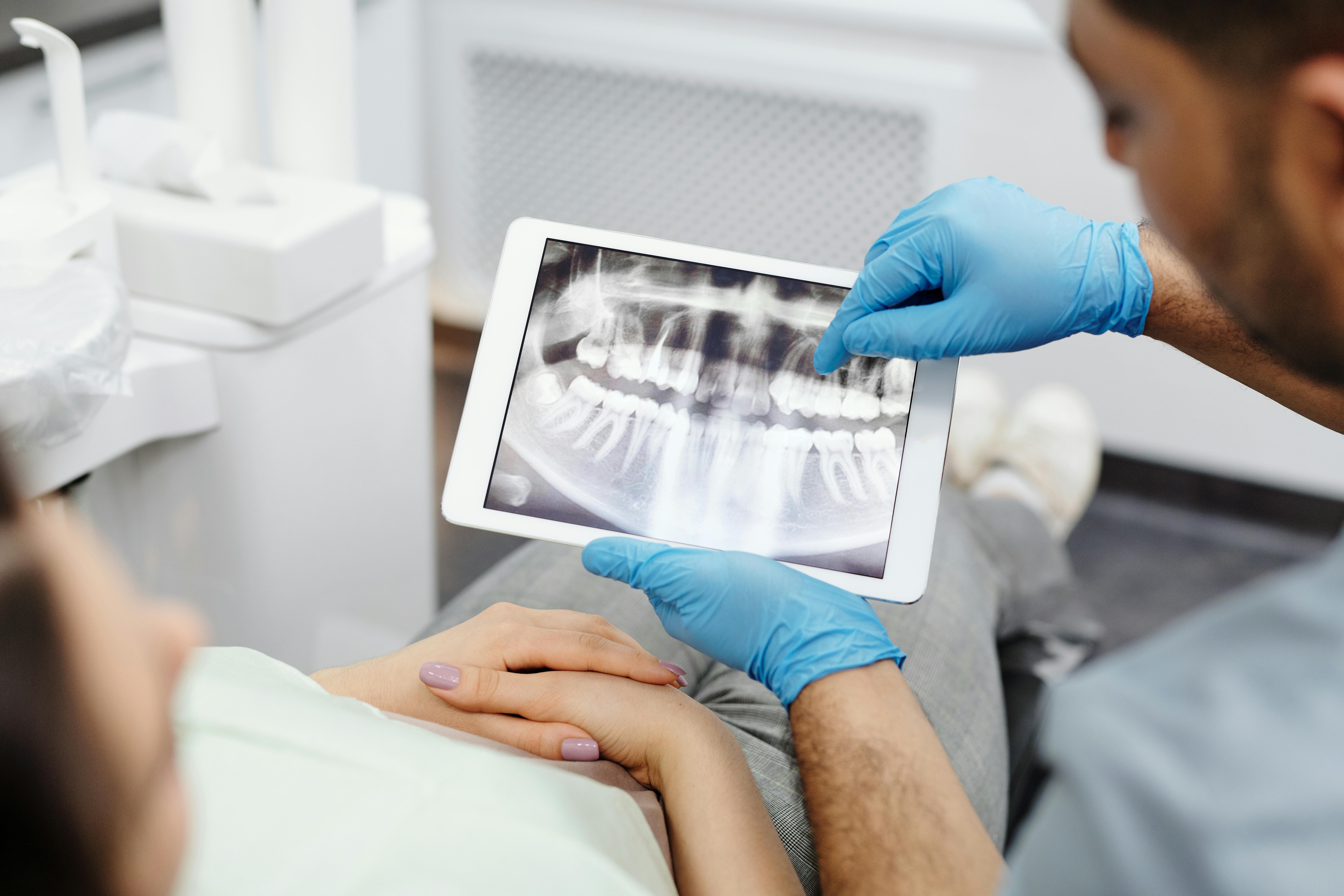
The strongest signal is often how carefully the office diagnoses and explains. Do they show you the crack, failing margin, or old filling on an image or scan? Do they discuss alternatives and limitations? Do they seem interested in preserving tooth structure, or do they default quickly to the most aggressive option? Is the treatment plan tailored to your bite, habits, and cosmetic goals?
Reviews can help identify patterns around communication, punctuality, comfort, and billing clarity, but they are less useful for judging technical quality. Friends’ referrals are valuable, especially if they have had work that has held up for years. For visible front-tooth cases or complex rehabilitation, before-and-after photos and, when appropriate, a specialist consultation can be worthwhile.
Longevity and realistic expectations
A crown is not permanent. That does not mean it is short-lived. Many crowns last well over a decade, and some last much longer. Longevity depends on fit, material, oral hygiene, bite forces, gum health, diet, and whether decay develops at the margin. A crown can be excellent and still eventually need replacement. Cement can wash out. Adjacent decay can develop. The tooth underneath can fracture. Life happens.
What patients can control matters more than they think. Consistent home care, regular exams, early bite adjustments, and management of grinding all protect the result. So does acting sooner rather than later. A tooth that needs a crown today may be straightforward. The same tooth, ignored until it breaks to the gumline, may become a root canal, a build-up, crown lengthening, or an extraction and implant.
For patients researching Dental Crowns Los Angeles CA, the smartest move is not simply finding the nearest office with an opening this week. It is finding a clinician who can explain why the crown is needed, choose the right material for your specific tooth, execute the details carefully, and help you protect the restoration afterward. That combination, diagnosis, craftsmanship, and follow-through, is what turns a common procedure into durable, comfortable dentistry.
Simple Dental Vermont
Address: 8914 S Vermont Ave, Los Angeles, CA 90044
Phone number: +13239493000
FAQ About Dental Crowns Los Angeles CA
How much do crowns cost per tooth?
In the United States, a single dental crown typically costs between $800 and $2,500 per tooth without insurance. The ultimate out-of-pocket price depends heavily on the crown material, the location of the tooth, and whether you have dental insurance coverage.
What is the downside of crowns on teeth?
The primary downside of a dental crown is that the procedure permanently removes natural tooth enamel to shape the tooth for the cap.
Why do dentists push for crowns?
Dentists recommend crowns because a large filling cannot provide enough strength when a tooth loses a major portion of its structure or faces heavy chewing pressure.
Ends · EMILIOQUSD119